While the narrative surrounding modern Indigenous policy is framed around progress and reconciliation, a closer look at the data reveals a compounding crisis. The current framework governing Aboriginal affairs is driving a deep wedge through Australian society.
At the forefront of these issues is financial accountability. The Australian government spends approximately $39 billion annually on Aboriginal welfare. For a population of roughly 900,000, this equates to around $43,000 per year per Indigenous person, twice what the general population receives. Yet, a considerable portion of this taxpayer contribution is being wasted on an inefficient system managed by hundreds of fragmented support organisations. This total lack of financial scrutiny is a major focus of the book, which features a compelling piece by political cartoonist Paul Zanetti exposing how government funds administered by high-profile activists are actually being utilised.
Compounding this financial strain is a sudden spike in census numbers. Between 2016 and 2021, the population identifying as Aboriginal grew by a staggering 25.2%, a massive leap compared to previous periods. This surge followed an increase in government benefits, leading to a rise in individuals claiming Indigenous status under loose bureaucratic definitions. These “imagined” Aboriginals exploit the social system, highlighting the urgent need for a more rigorous method to identify true descendants.
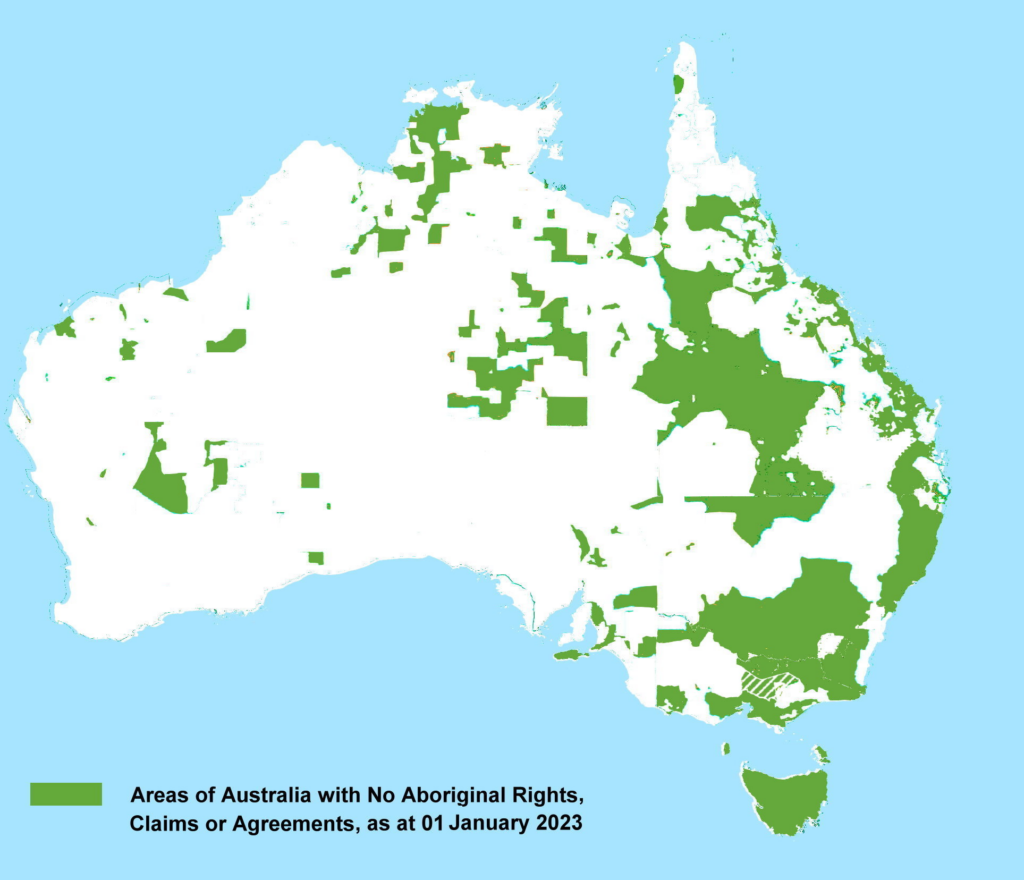
Meanwhile, the situation on the ground in remote areas remains dire. Despite generous funding, health and education outcomes in closed communities have barely improved in 50 years. Substance abuse is rampant, and school attendance has cratered, with 48% of Indigenous boys failing to attend primary school consistently, and 62% missing secondary school. Compounding this isolation is an unprecedented land grab. If pending claims are approved, Aboriginal groups, who make up just 4% of the population, will own over 63% of Australian land, much of it locked away from the general public.
This systemic separation is manifesting as dangerous social friction. The Northern Territory has seen a recent surge in coordinated youth lawlessness, showing a complete disregard for police and community safety. This over-representation in the justice system is stark. According to the Australian Bureau of Statistics, Indigenous prisoners now make up roughly 32% of the adult prison population, despite being only 4% of the total population. Rather than working toward unity, activist groups continue to weaponise “sacred sites” to lock up natural features, damaging local economies and demanding divisive, legally binding treaties to gain power over the government.
The mainstream press and television networks routinely refuse to publish these facts due to the protected status of these groups and fears of being labeled racist. To bypass this media censorship and explore authoritative research, data, and expert articles on these issues, look out for the upcoming book “Some are More Equal” by Len Roberts, coming soon to Amazon. Written as a final wish by an 87-year-old outback traveler, it delivers the raw, balanced truth that every Australian needs to read.